Part 1 blog series about From Education to Credentialed Obedience: How the Post-WWII World Manufactured the “Stupid Generation” — An OSHO-Inspired Reflection
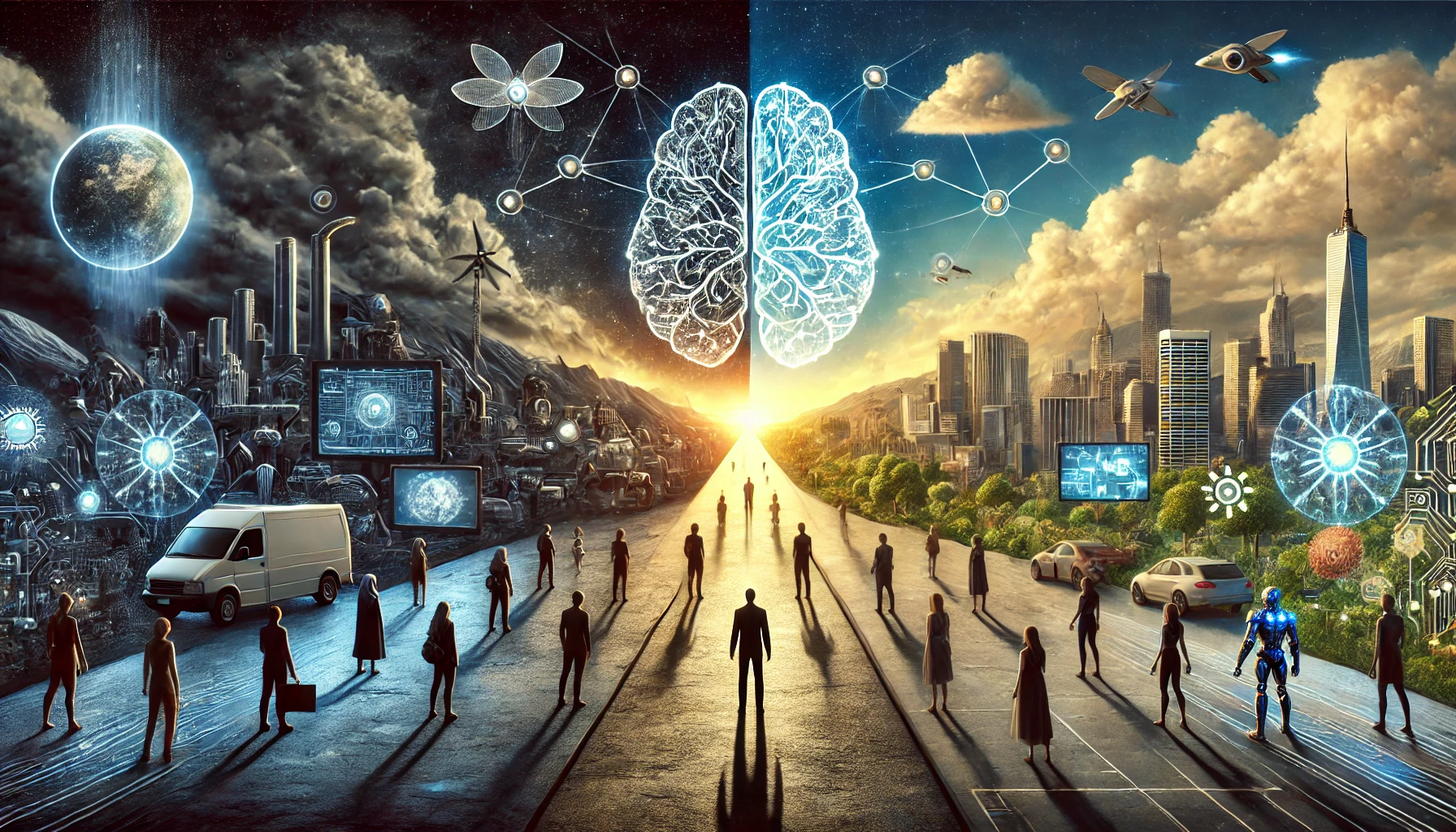
Modern civilization possesses enormous technological and scientific intelligence, yet societies still struggle with war, manipulation, loneliness, and ecological destruction. The deeper issue is not lack of intelligence but lack of awareness. Education and technology alone have not automatically created wiser humans. The twentieth century demonstrated that highly educated societies could still produce propaganda, extremism, and violence. This imbalance becomes even more dangerous in the AI era because technology amplifies the consciousness of the civilization that creates it. AI itself is not inherently dangerous. It reflects human values, fears, incentives, and systems. A fearful society creates systems of control, while a conscious society creates systems that support flourishing and cooperation. The real question is not whether AI becomes dangerous, but whether humanity becomes wise enough to guide it responsibly.
Beyond the Stupid Generation
Modern civilization possesses extraordinary technological and scientific intelligence, yet societies continue to struggle with war, manipulation, loneliness, and ecological destruction. Humanity has achieved remarkable breakthroughs in medicine, communication, transportation, and artificial intelligence, but these advancements have not automatically translated into wisdom. The central crisis of modern civilization is not a shortage of intelligence, but a shortage of awareness. Knowledge alone does not guarantee compassion, responsibility, or deeper understanding of human behavior.
The Difference Between Intelligence and Awareness
Intelligence allows humanity to build powerful systems, but awareness determines how those systems are used. A society may produce brilliant scientists, engineers, and leaders while still remaining emotionally reactive, divided, and vulnerable to fear-based thinking. History repeatedly shows that education alone cannot prevent manipulation or violence. The twentieth century demonstrated this clearly, as highly educated nations still became trapped in propaganda, extremism, and large-scale destruction.
Awareness involves understanding the psychological forces that shape individuals and societies. Fear, insecurity, greed, and tribal identity often influence decision-making more strongly than logic or evidence. Without self-awareness, intelligence can become a tool for domination rather than progress. The more advanced technology becomes, the more dangerous unconscious behavior becomes as well. Modern civilization now possesses tools capable of influencing billions of people instantly, making human consciousness more important than ever before.
AI as a Reflection of Human Consciousness
The rise of artificial intelligence intensifies this challenge because AI amplifies the values and incentives of the civilization that creates it. AI itself is not inherently good or evil. It functions as a mirror reflecting human priorities, systems, and behaviors. A fearful society is likely to create systems centered on surveillance, control, and competition, while a conscious society may develop technologies that encourage cooperation, creativity, and human flourishing.
This means the future of AI depends less on the technology itself and more on the maturity of humanity guiding it. If societies continue operating through fear, division, and short-term incentives, AI could accelerate those patterns on a global scale. However, if humanity develops greater awareness, empathy, and responsibility, AI could become one of the most transformative tools for collective progress in history.
The real question of the AI era is therefore not whether machines become dangerous, but whether humans become wise enough to direct technological power responsibly. Civilization now stands at a crossroads where inner development may matter just as much as scientific advancement. The future will likely be shaped not only by how intelligent humanity becomes, but by how conscious it chooses to be.
Conclusion
Humanity’s greatest challenge is no longer simply creating more advanced technology, but developing the awareness necessary to use that technology wisely. Intelligence without consciousness can produce systems that deepen fear, division, and destruction, while awareness can guide innovation toward cooperation and collective well-being. As artificial intelligence continues to evolve, it will increasingly reflect the values of the people building and controlling it. The future of civilization therefore depends not only on technological progress, but on humanity’s willingness to cultivate wisdom, responsibility, and deeper self-understanding.