
Part 13 blog series about From Education to Credentialed Obedience: How the Post-WWII World Manufactured the “Stupid Generation” — An OSHO-Inspired Reflection
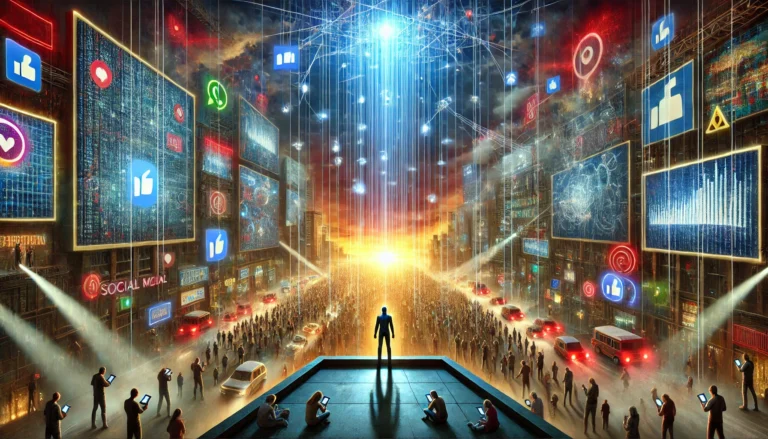
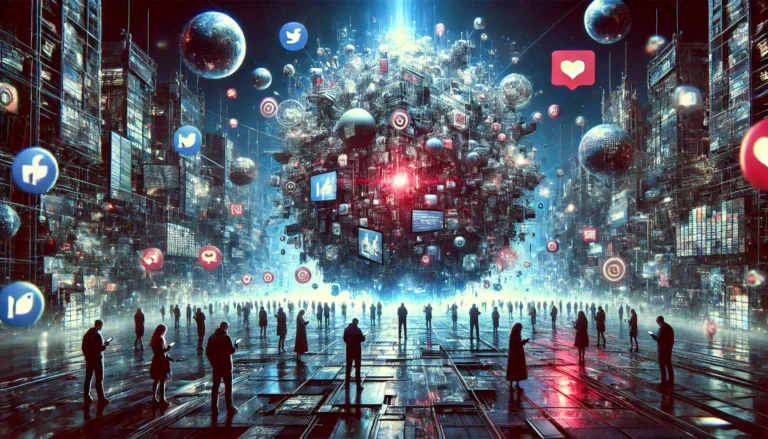
Modern civilization has created a world of constant stimulation. News feeds, notifications, advertisements, social media platforms, and algorithmic systems compete continuously for human attention. Every moment of silence is increasingly filled with information, entertainment, or digital interaction. In this environment, distraction becomes normalized while deep reflection becomes increasingly rare. The modern individual is surrounded by an endless flow of content designed to capture attention, trigger emotional reactions, and sustain engagement.
Paradoxically, one of the most radical ideas of the future may also be one of humanity’s oldest practices: silence. In a civilization driven by noise, speed, and stimulation, the ability to remain still, attentive, and psychologically grounded may become an essential form of freedom. Silence is no longer merely the absence of sound. It becomes a space where independent thought, awareness, and inner clarity can emerge beyond the influence of constant external pressure.
The Age of Continuous Stimulation
Digital civilization trains human beings to remain continuously connected and mentally occupied. Algorithms are specifically designed to maximize engagement by feeding the mind with endless streams of emotionally stimulating content. Fear, outrage, novelty, and instant gratification keep attention locked into reactive cycles that reduce opportunities for contemplation and deeper awareness.
Over time, constant stimulation weakens the capacity for sustained attention and independent thinking. Many people become accustomed to reacting instantly rather than reflecting carefully. The mind grows increasingly fragmented as external systems continuously interrupt focus and shape emotional states. In such environments, silence can feel uncomfortable because individuals are rarely taught how to sit with their own thoughts without distraction.
This creates a profound psychological challenge in the AI era. As technologies become more advanced and persuasive, the ability to maintain inner stability becomes increasingly important. Societies overwhelmed by stimulation may become more vulnerable to manipulation because distracted minds are easier to influence. Attention scattered across endless digital inputs loses the depth necessary for wisdom, critical thinking, and self-awareness.
Silence therefore becomes more than a personal preference. It becomes a counterbalance to the accelerating intensity of modern systems.
Silence as Psychological and Civilizational Resistance
The ability to enter silence and contemplation may become one of the defining survival skills of the future. Silence creates space between stimulus and reaction, allowing individuals to observe thoughts, emotions, and external influences more consciously. In that space, awareness strengthens and psychological resilience grows.
Deep attention becomes revolutionary in cultures dominated by distraction. A person capable of sustained focus and reflection is less likely to be controlled by emotional manipulation, outrage cycles, or algorithmic conditioning. Silence restores the capacity to think independently rather than merely reacting to the loudest voices competing for attention.
Throughout history, contemplative traditions understood that inner stillness was connected to clarity and wisdom. In the modern world, these insights are gaining renewed importance because technological systems increasingly shape perception and behavior at enormous scale. As artificial intelligence becomes more integrated into daily life, humanity may rediscover that inner consciousness cannot be replaced or automated.
Silence also reconnects individuals to deeper dimensions of human experience that constant stimulation often suppresses. Creativity, empathy, ethical reflection, and genuine understanding frequently emerge not through endless activity, but through moments of stillness and awareness. In a world driven by speed and noise, silence becomes an act of reclaiming psychological autonomy.
Conclusion
The return of silence may become one of the most important cultural and psychological shifts of the AI age. Modern civilization encourages continuous stimulation through digital systems designed to capture and direct human attention. As distraction intensifies, the ability to remain mentally grounded, reflective, and self-aware becomes increasingly valuable. Silence offers more than temporary escape from noise; it creates the conditions for independent thinking, emotional stability, and deeper consciousness. In a future shaped by powerful technological systems, humanity may discover that inner awareness is one of the few forces capable of preserving freedom, wisdom, and psychological resilience.