Part 12 blog series about From Education to Credentialed Obedience: How the Post-WWII World Manufactured the “Stupid Generation” — An OSHO-Inspired Reflection
Economic instability has always carried psychological consequences far beyond financial hardship alone. When societies experience fear, uncertainty, and rapid disruption, people often become emotionally vulnerable and more willing to seek certainty, protection, and strong leadership. Throughout history, periods of economic collapse and social instability have repeatedly created conditions where authoritarian movements gained influence by promising order, identity, and security. The psychological impact of crisis can therefore shape political systems just as powerfully as economic conditions themselves.
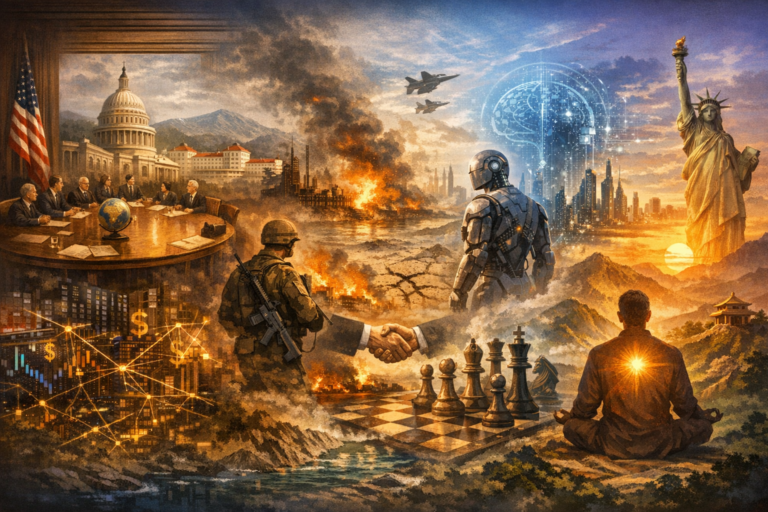
The modern AI era may generate similar pressures. Rapid technological disruption, economic uncertainty, institutional distrust, and accelerating social change are creating growing anxiety across many societies. This makes the current moment not only a technological transition, but also a deeply civilizational and psychological challenge.
Fear and the Search for Certainty
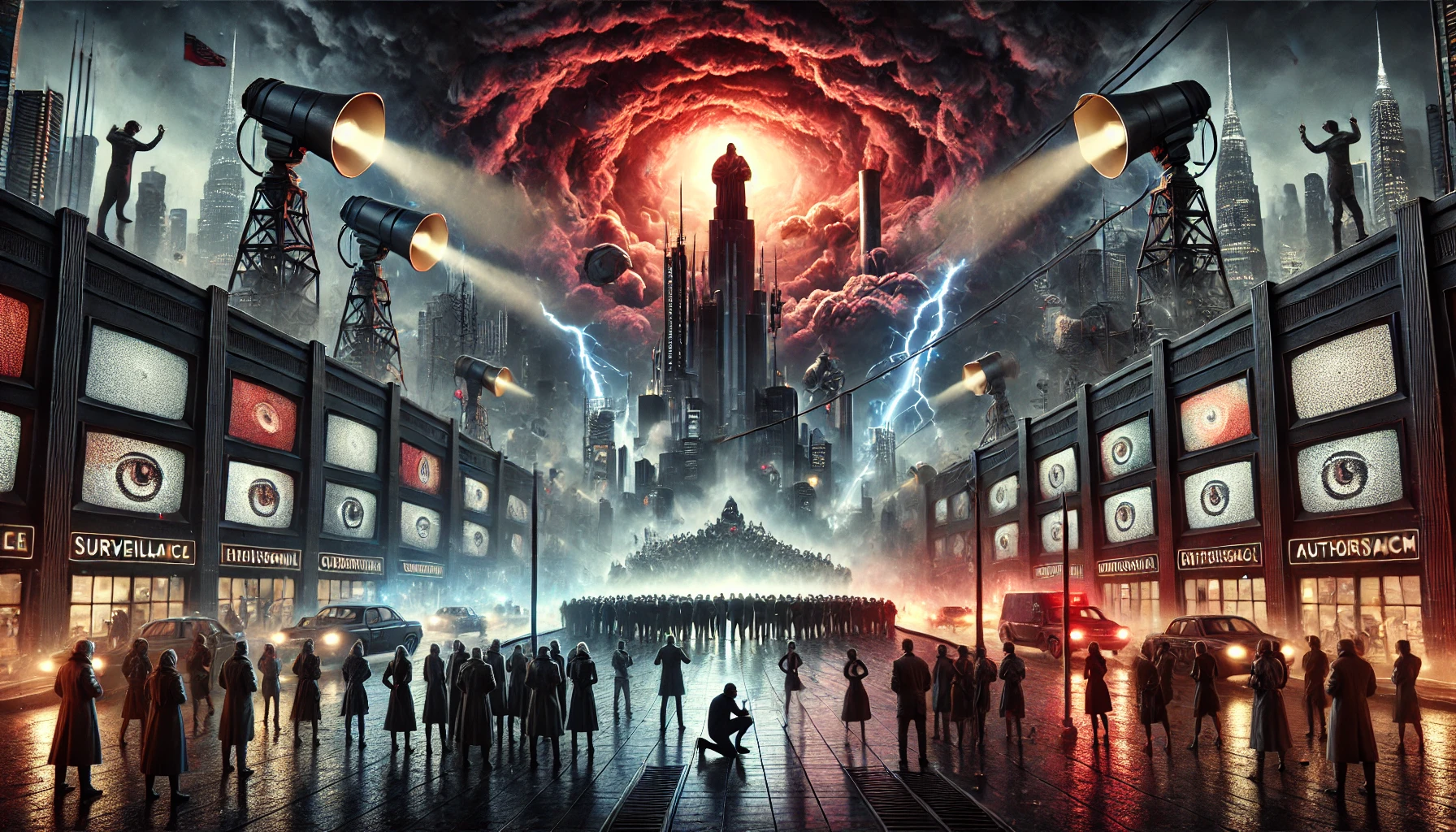
The Great Depression demonstrated how deeply fear can reshape collective behavior. Millions of people experienced unemployment, poverty, and uncertainty during the crisis, leading to widespread emotional insecurity. In some parts of the world, this instability contributed to the rise of authoritarian ideologies and political movements that promised strength, unity, and decisive control.
Fearful societies often become psychologically drawn toward simple narratives and centralized authority because uncertainty is emotionally exhausting. During periods of instability, many people seek leaders who appear confident, decisive, and capable of restoring order. Complex problems are reduced into emotionally satisfying explanations that divide the world into heroes, enemies, and threats. This process can weaken democratic dialogue and encourage tribal thinking.
Authoritarian movements frequently gain power by exploiting emotional vulnerability rather than rational analysis. Fear narrows perception, reduces critical thinking, and increases susceptibility to manipulation. When populations feel economically insecure or socially fragmented, they may become more willing to sacrifice freedom and nuance in exchange for promises of stability and protection.
This psychological dynamic is not limited to the past. Modern societies facing rapid change remain vulnerable to similar patterns, especially when fear spreads faster than thoughtful reflection.
AI, Social Fragmentation, and the Risk of Manipulation
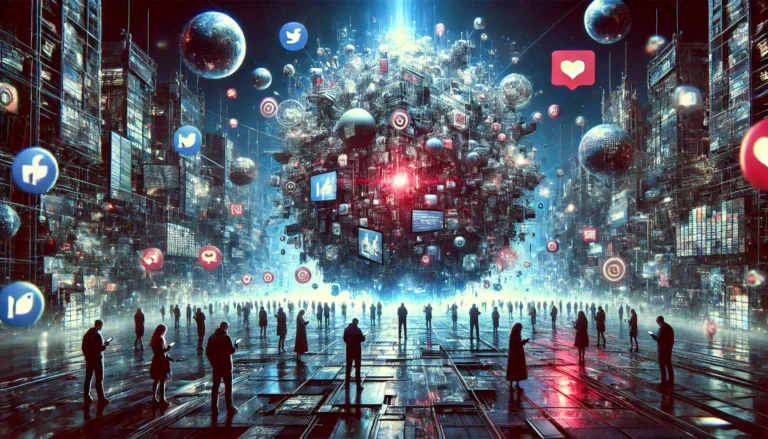
The AI era introduces new forms of instability that could intensify these pressures. Automation, economic disruption, information overload, and declining trust in institutions are already reshaping how societies function. At the same time, digital platforms and algorithmic systems amplify emotional content that generates outrage, fear, and polarization because emotionally charged material attracts attention more effectively than calm analysis.
Artificial intelligence may strengthen these influence systems further through personalized persuasion, predictive behavioral analysis, and large-scale information shaping. In such environments, societies risk becoming increasingly fragmented and emotionally reactive. Fear-driven narratives can spread globally within moments, intensifying tribalism and deepening social division.
This creates a significant civilizational challenge. If societies respond to uncertainty primarily through fear, they may become increasingly vulnerable to manipulation, centralized control, and ideological extremism. Technological systems themselves are not inherently authoritarian, but they can become powerful tools in the hands of fearful or power-driven institutions.
Consciousness and critical thinking therefore become essential defenses in the modern world. Individuals capable of questioning narratives, observing emotional manipulation, and maintaining psychological awareness are less likely to become consumed by fear-based extremism. Societies that cultivate resilience, dialogue, and independent thought may be better equipped to navigate disruption without collapsing into authoritarian tendencies.
Conclusion
Periods of crisis often expose the psychological vulnerabilities of societies. Economic instability, fear, and uncertainty can push populations toward authoritarian movements that promise certainty, identity, and control. The Great Depression revealed how deeply emotional insecurity can reshape political systems, and the AI era may create similar pressures through technological disruption, institutional distrust, and social fragmentation. As digital systems amplify fear and polarization, the challenge becomes ensuring that societies do not surrender critical thinking and freedom in exchange for emotional reassurance. The future of civilization may depend not only on managing technology, but on cultivating consciousness, resilience, and the capacity to remain thoughtful and aware during periods of rapid change.