Part 5 blog series about From Education to Credentialed Obedience: How the Post-WWII World Manufactured the “Stupid Generation” — An OSHO-Inspired Reflection
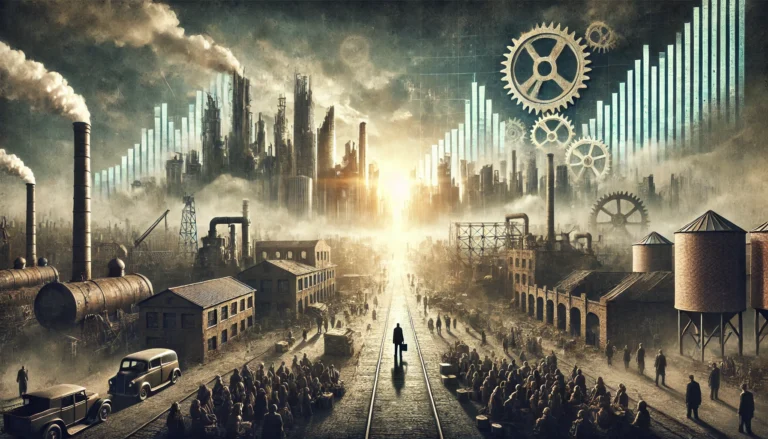
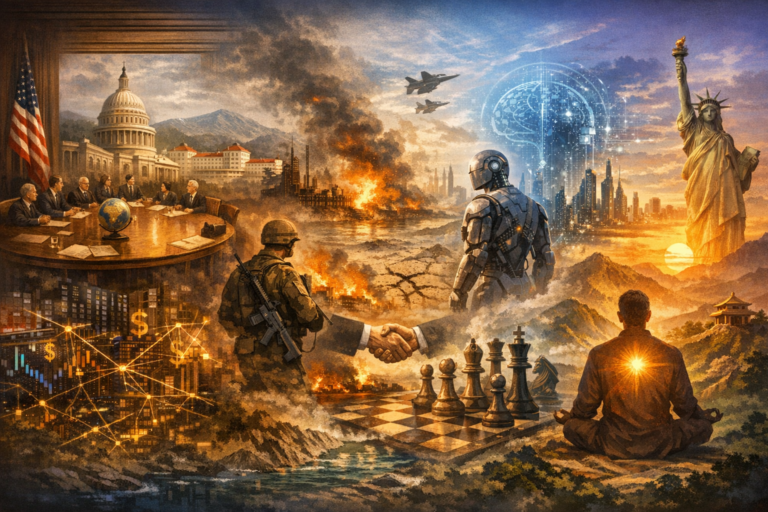
Throughout history, power was primarily measured through territory, military strength, and economic control. Nations competed for land, resources, and industrial dominance because these factors determined influence and survival. In the digital age, however, power is evolving into something far less visible but potentially more powerful. The modern battlefield increasingly revolves around attention, perception, and emotional influence. Human consciousness itself is becoming a strategic arena where governments, corporations, media systems, and digital platforms compete to shape beliefs, behaviors, and collective reality.
As technology becomes more sophisticated, the ability to influence what people think, feel, and focus on may become more valuable than traditional forms of power. Attention is no longer merely a psychological phenomenon; it has become one of the most important resources of the modern world.
The Rise of Attention-Based Power
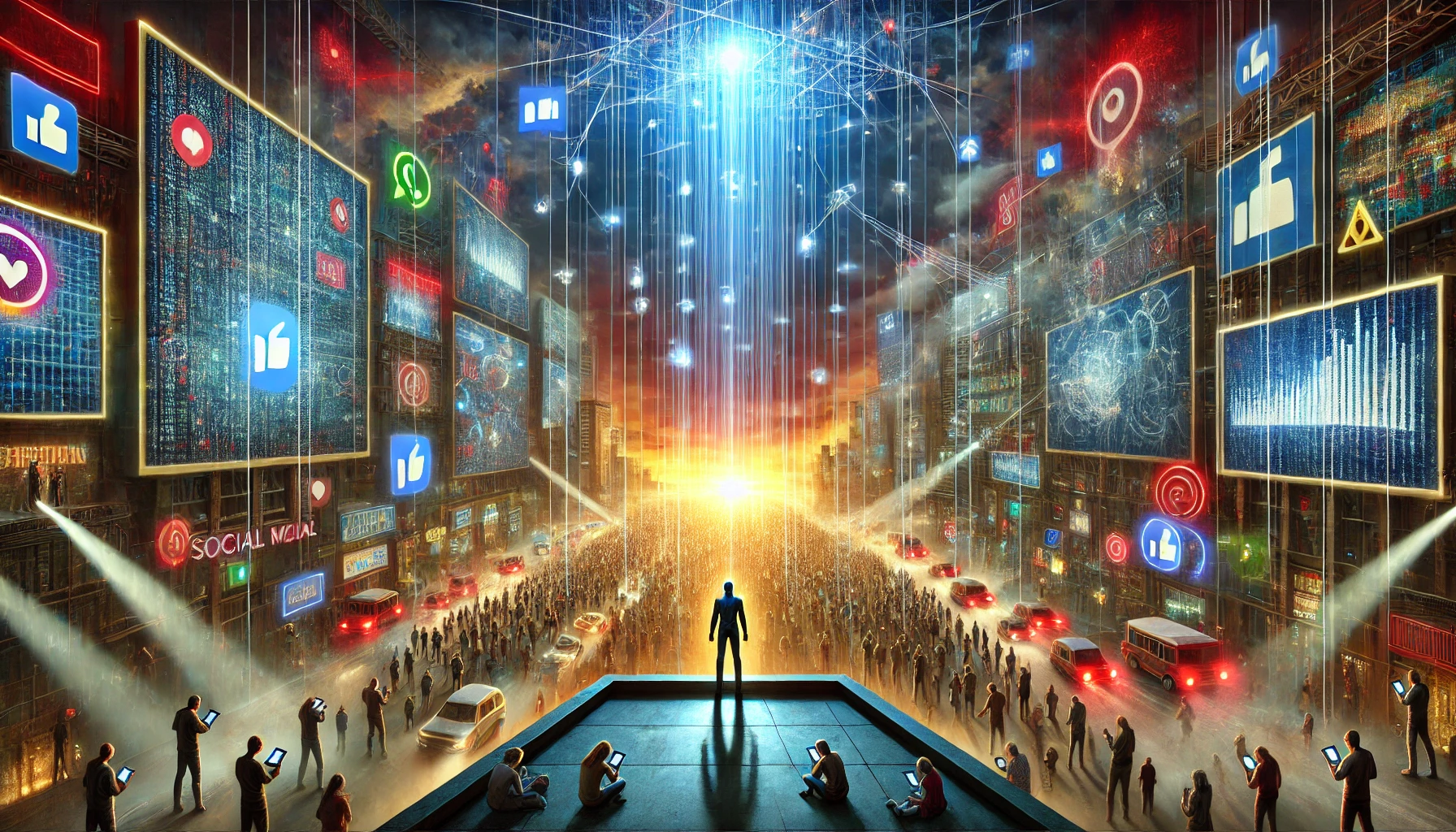
Social media platforms have already demonstrated how deeply digital systems can influence society. Online networks shape political opinions, social identities, emotional reactions, and cultural narratives on a massive scale. Algorithms determine what people see, what information spreads, and which emotions become amplified. Outrage, fear, and division often spread faster than thoughtful dialogue because emotional intensity drives engagement and attention.
This transformation has changed the structure of influence itself. Instead of controlling populations primarily through force, modern systems increasingly guide behavior through information flows and emotional conditioning. Public opinion can now shift rapidly through viral narratives, targeted content, and coordinated influence campaigns. People often believe they are acting independently while unknowingly responding to highly engineered digital environments.
Artificial intelligence could intensify this dramatically. AI systems can already analyze behavior patterns, predict emotional responses, and personalize content with extraordinary precision. In the future, influence systems may become capable of shaping perceptions and decisions for billions of people in real time. The struggle for power may therefore involve not only controlling resources or territory, but controlling human attention and emotional direction.
The Threat to Independent Thinking
As influence systems become more advanced, societies face a growing challenge: preserving independent thought in environments designed to capture and direct consciousness. Constant stimulation, algorithmic personalization, and emotionally charged content can gradually weaken critical thinking and deepen polarization. Individuals may become trapped inside digital echo chambers that reinforce existing beliefs while reducing openness to complexity or dialogue.
Civilizations that cannot protect independent thinking may become increasingly vulnerable to manipulation. A population overwhelmed by distraction, outrage, and emotional conditioning becomes easier to divide and control. This creates a future where psychological influence may become more effective than physical coercion. The battlefield is no longer confined to borders or military conflict; it increasingly exists inside the human mind.
At the same time, awareness offers a form of resistance. Individuals who consciously manage their attention and question the systems shaping their perceptions become less vulnerable to manipulation. In a world competing for human focus, the ability to think clearly and remain psychologically grounded may become one of the most valuable forms of freedom.
Conclusion
The nature of power is changing in the digital age. While past civilizations fought primarily over land, military dominance, and economic resources, modern societies increasingly compete for attention, perception, and emotional influence. Social media and AI-driven systems now possess the ability to shape beliefs and behaviors on a global scale, making human consciousness itself a central arena of conflict. As these technologies continue to evolve, protecting independent thinking and psychological awareness may become essential for preserving freedom and social stability. In the modern era, attention is not simply a personal resource — it is one of the defining forces shaping the future of civilization