Part 9 blog series about From Education to Credentialed Obedience: How the Post-WWII World Manufactured the “Stupid Generation” — An OSHO-Inspired Reflection
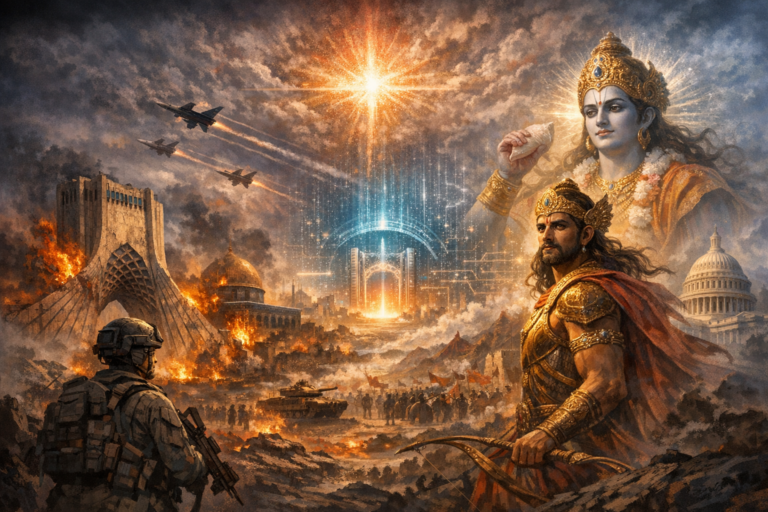
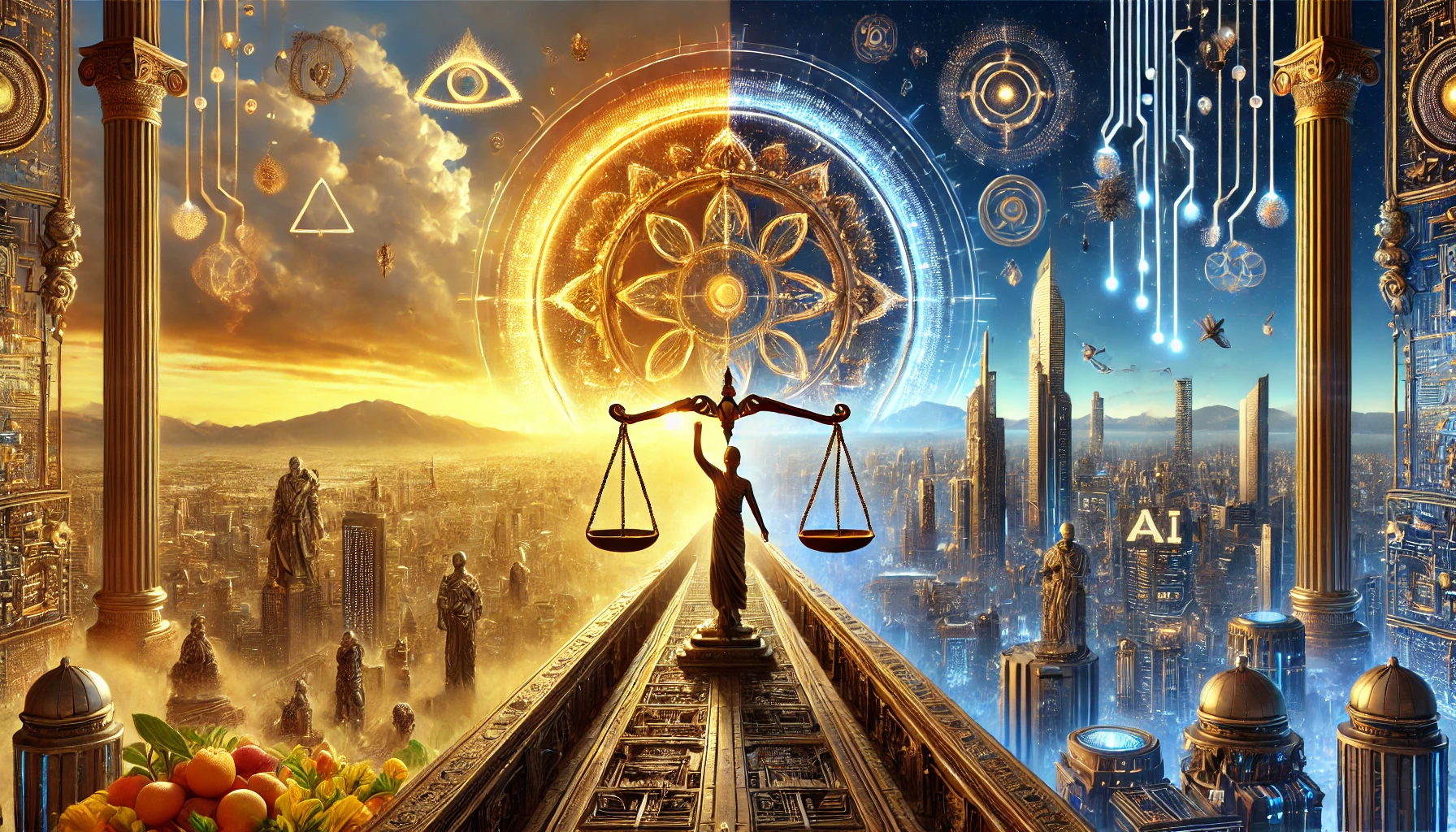
The DDDI™ perspective argues that modern civilization expanded dominion far faster than wisdom. Humanity developed extraordinary technological power, economic systems, industrial infrastructure, and computational capability, yet emotional maturity and ethical balance did not evolve at the same pace. Civilization became increasingly advanced externally while remaining psychologically unstable internally. This imbalance now defines many of the challenges emerging in the AI era. Humanity possesses unprecedented power to shape the world, but it still struggles with fear, division, greed, and unconscious behavior.
The central issue is therefore not technology itself, but the relationship between power and consciousness. Artificial intelligence magnifies this challenge because it dramatically increases humanity’s ability to influence economies, societies, information systems, and even human behavior. The future of civilization may depend on whether societies can align technological dominion with ethical wisdom before imbalance creates deeper instability.
The Expansion of Dominion Without Inner Balance
Throughout history, civilizations pursued greater dominion over nature, resources, production, and information. Scientific revolutions, industrialization, and digital technologies gave humanity increasing control over the external world. Modern societies became capable of manipulating matter, energy, biology, and communication at astonishing levels of sophistication. AI now represents the latest and perhaps most powerful stage of this expansion.
However, the growth of external capability was not matched by equal development in emotional intelligence, self-awareness, or ethical responsibility. Humanity learned how to build increasingly powerful systems without fully understanding how to manage the psychological forces guiding them. Fear, tribalism, competition, and short-term incentives continued shaping human institutions even as technological power accelerated.
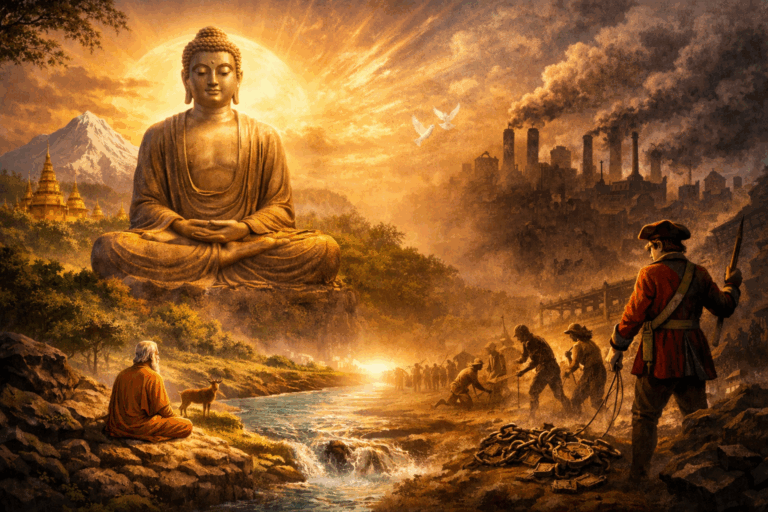
This imbalance creates instability because dominion without wisdom often produces unintended consequences. Industrial progress created prosperity but also ecological destruction. Communication technologies connected the world while amplifying misinformation and polarization. AI could similarly magnify both humanity’s intelligence and its unconscious tendencies. A civilization with immense technological power but limited psychological maturity risks creating systems that outpace its capacity for responsible stewardship.
Dharma as Ethical and Conscious Alignment
The concept of Dharma introduces a balancing principle within this framework. Dharma can be understood as alignment with ethical responsibility, awareness, harmony, and conscious action. From the DDDI™ perspective, Dharma does not reject progress or technological advancement. Instead, it argues that power must be guided by deeper wisdom if civilization hopes to remain stable and humane.
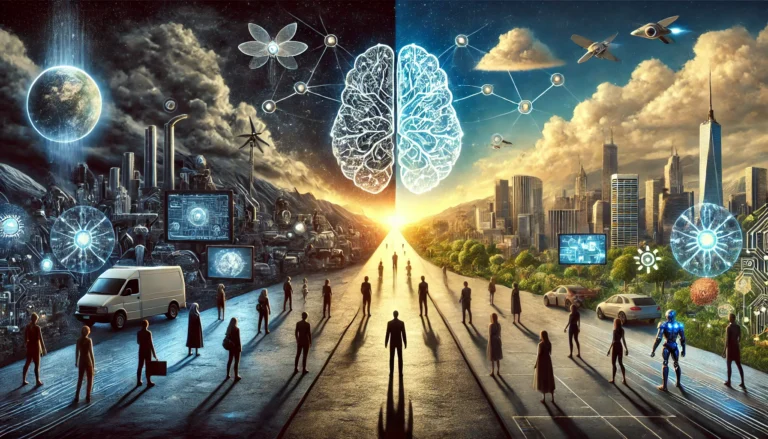
Technology integrated with consciousness can become a force for flourishing rather than domination. AI has the potential to improve education, healthcare, scientific discovery, environmental sustainability, and global cooperation. However, these outcomes depend on the values and intentions guiding technological development. Dominion guided only by profit, control, or competition may deepen instability, while dominion guided by awareness and responsibility can support collective well-being.
This creates one of the defining challenges of the AI era. Humanity must learn to cultivate inner development alongside external innovation. Ethical thinking, emotional maturity, and psychological resilience are no longer optional philosophical ideals. They are becoming essential requirements for managing increasingly powerful systems responsibly.
The future may therefore depend less on how advanced AI becomes and more on whether human consciousness evolves quickly enough to guide that advancement wisely.
Conclusion
The DDDI™ perspective highlights a central imbalance within modern civilization: humanity expanded dominion faster than wisdom. Technological power, economic complexity, and computational capability advanced rapidly, while emotional maturity and ethical awareness lagged behind. This imbalance now shapes the risks and opportunities of the AI era. The solution is not abandoning technology, but integrating technological progress with consciousness, responsibility, and ethical alignment. Dominion without Dharma creates instability because power detached from wisdom eventually becomes destructive. However, dominion guided by awareness can support human flourishing and civilizational evolution. The future of humanity may ultimately depend on whether societies can align technological capability with deeper wisdom before external systems outpace human consciousness itself.