Part 3 blog series about From Education to Credentialed Obedience: How the Post-WWII World Manufactured the “Stupid Generation” — An OSHO-Inspired Reflection
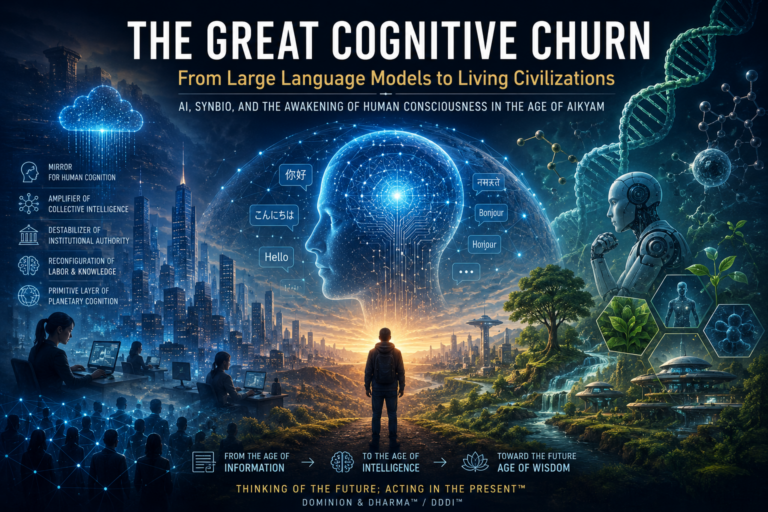
Artificial intelligence has become one of the greatest sources of public fascination and fear in the modern world. Many people imagine AI as an independent force that could eventually threaten humanity, replace human purpose, or escape human control. However, AI is not fundamentally an autonomous enemy. It is an amplifier of the systems, values, and intentions already present within human civilization. The technology itself reflects the consciousness of the people and institutions that design, train, and deploy it. This means the future impact of AI depends less on machines themselves and more on the condition of humanity guiding them.
AI Reflects Human Values and Incentives
Every technological system carries the priorities of the civilization that creates it. Artificial intelligence is shaped by human incentives, economic structures, political systems, and cultural values. If societies are driven primarily by greed, fear, competition, and manipulation, AI systems will likely reinforce those same patterns. In such environments, technology may be used to maximize profit, influence behavior, increase dependency, or strengthen systems of control.
This dynamic is not unique to AI. Throughout history, powerful technologies have reflected the consciousness of their creators. Industrial systems created both prosperity and environmental destruction. Communication technologies connected the world while also spreading propaganda and misinformation. AI follows the same principle on a much larger scale because of its ability to process information, automate decisions, and influence human behavior at enormous speed and scale.
An unconscious civilization inevitably builds unconscious technology because technology mirrors the mindset behind it. The danger therefore does not originate from intelligence alone, but from the lack of wisdom guiding that intelligence.
The Need for Conscious Leadership in the AI Era
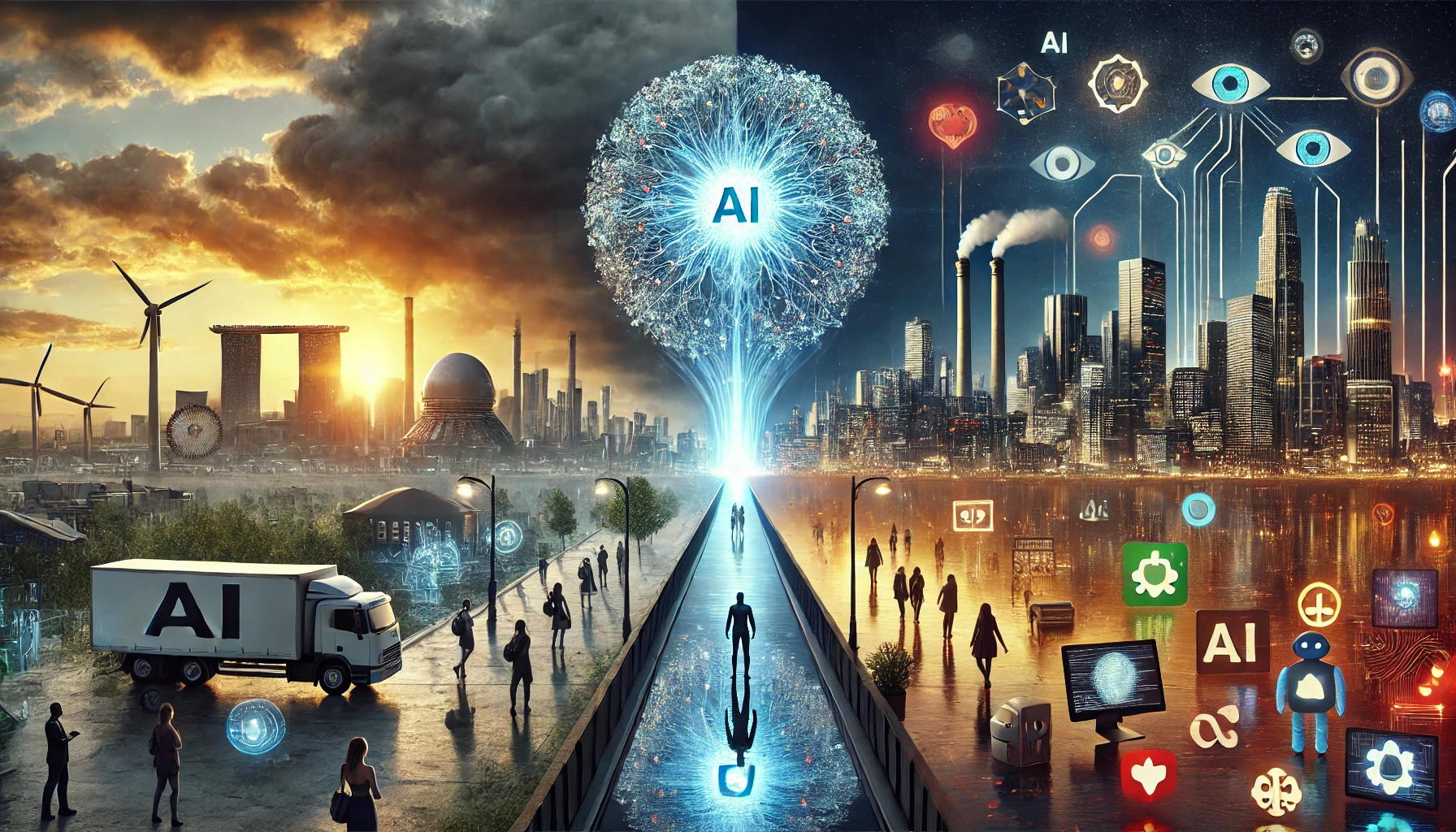
While AI can magnify destructive tendencies, it can also amplify humanity’s highest potential. A conscious civilization has the ability to create systems that improve education, expand creativity, strengthen cooperation, and solve complex global challenges. AI could help humanity address problems related to healthcare, scientific research, environmental sustainability, and access to knowledge. The same technology that can manipulate people can also empower them, depending on the intentions behind its use.
As AI becomes more advanced, ethical maturity and conscious leadership become increasingly important. Technological progress alone cannot replace human wisdom, empathy, or responsibility. Machines may process information faster than humans, but they cannot independently determine what is morally right or beneficial for civilization. Those decisions remain deeply human responsibilities.
This creates a defining challenge for the modern world. Humanity must develop not only more powerful systems, but also greater self-awareness and ethical clarity. Without inner development, external technological power may accelerate instability and division. With conscious leadership, however, AI could become one of the most transformative tools for collective human progress.
Conclusion
Artificial intelligence is not inherently the enemy of humanity. It is an amplifier that reflects the values, incentives, and level of consciousness of the civilization creating it. Fear-based societies may use AI to deepen control and division, while conscious societies can use it to expand creativity, cooperation, and human flourishing. The true challenge of the AI age is therefore not simply managing machines, but developing the wisdom and ethical responsibility necessary to guide them. As technology grows more powerful, the future of civilization will increasingly depend on the quality of human consciousness behind the systems it builds.